This pillar is written for absolute starters and busy home gardeners who want reliable results with minimal fuss. It shows you how to choose the right spot, containers versus beds, the mix to use, how often to water and feed, which herbs to start with, how to prune for nonstop growth, and how to harvest, preserve, and troubleshoot. You’ll also get a simple 30-day launch plan, a year-round care calendar, and quick fixes when things go off track. Throughout the guide, the phrase herbs for beginners signals a focus on steps that are simple, repeatable and resilient.
1) Why herbs are the perfect first crop
Herbs reward small effort with big flavour. Most grow fast, tolerate tight spaces, and bounce back from imperfect watering. If a leaf harvest goes wrong, you learn quickly and try again next week—no wasted seasons. You can grow herbs on a windowsill, balcony, courtyard, or alongside vegetables. They’re also a great entry point to soil health, propagation, and pruning basics. For many readers searching herbs for beginners, quick wins and low-maintenance routines matter most.
- Rapid feedback: sow, pinch, taste—repeat in days or weeks.
- Compact: thrive in containers and small beds.
- Forgiving: many tolerate partial sun and inconsistent schedules.
- Practical: replace store packets and food waste with fresh cuttings.
2) Herbs for beginners: quick-start checklist

- Light: Aim for 4–6 hours of sun; greens like parsley, mint and chives tolerate partial sun; woody herbs such as rosemary, thyme and sage prefer full sun.
- Containers: Choose 20–30 cm wide pots with drainage; bigger is steadier.
- Mix: Use high-quality all‑purpose potting mix; add 10–20% compost for vigor and 10% perlite for drainage if needed.
- Water: Keep mix evenly moist, not soggy. Let the top 2–3 cm dry before watering again.
- Feed: Light feeders. Mix slow-release organic granules at planting; top-dress compost monthly in the growing season.
- Start with five: Basil, parsley, chives, mint (in its own pot), and thyme.
- Pinch to multiply: Frequent pinching stimulates branching and constant harvests.
- Label and log: Variety, date planted, and your watering frequency baseline.
3) Where to grow (sun, shade, indoors, balconies)
Outdoors is usually best because sun and airflow keep plants sturdy and flavorful. Morning sun with light afternoon shade suits tender greens and basil. Indoors, use the brightest window and supplement with an LED grow light 12–16 hours per day if stems stretch. On balconies or courtyards, reflective walls can stress plants; add mulch on top of potting mix and water a bit deeper but less often. Watch microclimates: walls store heat; breezeways dry pots faster. Observe, then adjust watering and placement. A key win for herbs for beginners is choosing spots that balance light and convenience.
4) Containers vs raised beds vs in-ground
Containers
- Pros: mobile, tidy, fewer weeds, perfect for renters.
- Cons: dry out faster; need regular feeding in peak growth.
- Sizes that work: 20–30 cm diameter for single plants; 40–45 cm boxes for mixed kitchen planters.
- Drainage: essential. Use saucers only if you empty standing water.
Raised beds
- Pros: warm early, great drainage, attractive.
- Cons: cost to build and fill; dries faster than ground.
- Best for: woody herbs (rosemary, sage, thyme) and mint if isolated in a buried pot.
In-ground
- Pros: deep rooting, stable moisture, lowest cost.
- Cons: soil prep and permanent paths to avoid compaction.
- Best for: perennial herbs and large clumps such as oregano and chives.
5) Soil & potting mixes (what actually works)
For pots, a quality potting mix is non-negotiable. Look for good drainage, a wetting agent or a small amount of coco coir for moisture balance, and optional compost and perlite for nutrition and structure. For beds, mix in 2–3 cm of mature compost before planting, keep the surface mulched 3–5 cm deep, and keep pH around 6.0–7.0 for most herbs.
- Do not fill containers with pure garden soil; it compacts and starves roots of air.
- Use perlite or fine bark to keep mixes open for thyme, rosemary and sage.
- For leafy herbs, a touch of compost supports steady growth without overfeeding.
6) Watering & feeding (simple rules that scale)
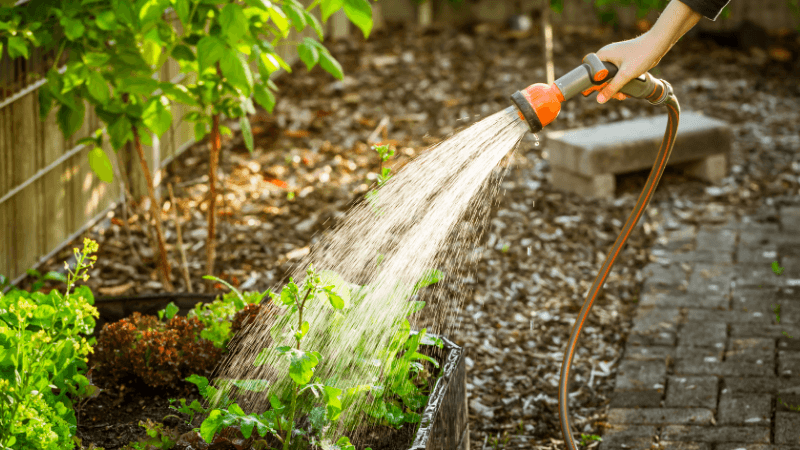
- Water depth, not calendar: check with a finger 2–3 cm deep. Water when dry to that depth and aim to moisten the top 10–15 cm in pots.
- Morning watering is best: less evaporation and fewer fungal issues.
- Mulch pots: a 1–2 cm mulch layer on top reduces drying.
- Feeding: herbs are light feeders. Use a slow-release organic fertiliser at planting and top-dress a handful of compost monthly. Add a diluted liquid feed only if leaves pale.
If leaves are lush but flavor is weak, reduce nitrogen and increase sunlight. Strong sun concentrates oils; too much nitrogen waters down taste. These principles help herbs for beginners produce bold flavor quickly.
7) Starter herb profiles (10 easy winners)
Basil (Ocimum basilicum)
- Light: 6+ hours, warmth essential.
- Water: even moisture; hates cold, wet soil.
- Spacing: 25–30 cm.
- Pinching: remove the top set of leaves weekly once 15 cm tall to double shoots and yields.
- Common issues: flowering leads to bitterness; keep pinching buds. If leaves yellow, check drainage and feed lightly.
Parsley (Petroselinum crispum)
- Light: 4–6 hours; tolerates partial sun.
- Water: steady; shallow roots in pots dry quickly.
- Spacing: 20–25 cm.
- Harvest: cut outer stems at the base and leave the inner crown to regrow.
- Notes: biennial—best flavor the first year; may bolt in heat.
Chives (Allium schoenoprasum)
- Light: 4–6 hours or more.
- Water: moderate; tough once established.
- Spacing: clumps 15 cm apart.
- Harvest: shear a handful 2–3 cm above soil; regrows fast.
- Tip: divide clumps annually to stay vigorous.
Mint (Mentha spp.) — grow in its own pot
- Light: 3–5 hours; happy in partial sun.
- Water: consistent; likes moisture.
- Spacing: 25–30 cm pot by itself (it runs).
- Harvest: pinch tips frequently; mint thrives on cutting.
- Tip: contain mint in beds by sinking a pot to soil level.
Thyme (Thymus vulgaris)
- Light: full sun.
- Water: infrequent; hates wet feet.
- Spacing: 20–25 cm.
- Harvest: snip stems, leaving green growth on the plant.
- Tip: excellent in gravelly mixes and raised beds.
Oregano (Origanum vulgare)
- Light: 5–6 hours or more.
- Water: prefers the drier side once established.
- Spacing: 30–40 cm—spreads.
- Harvest: cut stems above a leaf pair; intense flavor in sun.
Rosemary (Salvia rosmarinus)
- Light: 6+ hours.
- Water: low once established.
- Spacing: 50–80 cm (can become a shrub).
- Pruning: lightly shape; do not cut into old wood.
- Tip: great hedge in warm, dry spots.
Sage (Salvia officinalis)
- Light: full sun.
- Water: moderate to low; dislikes soggy soil.
- Spacing: 40–50 cm.
- Harvest: take soft tips, not woody stems.
- Note: replace every few years if plants get leggy.
Dill (Anethum graveolens)
- Light: 5–6 hours or more.
- Water: even moisture.
- Spacing: 20–25 cm.
- Note: tall and delicate—stake if windy. Let one plant flower for swallowtail butterflies and seeds.
Coriander / Cilantro (Coriandrum sativum)
- Light: prefers cooler temps, morning sun.
- Water: steady; bolts in heat and drought.
- Spacing: 10–15 cm.
- Trick: sow small batches every 2–3 weeks for continuous leaves. Harvest roots for dishes when plants decline.
If you want a frictionless first season, shortlist basil, parsley, chives, mint in its own pot, and thyme—these are true herbs for beginners that teach watering, pruning, and succession sowing without being finicky.
8) Propagation 101 (seed, cuttings, division)
From seed is budget-friendly for annuals such as basil, dill and coriander. Use shallow trays, barely cover seeds, keep evenly moist, and thin seedlings early to prevent damping-off. From cuttings suits woody herbs like rosemary, thyme and sage: take 8–10 cm softwood cuttings, strip lower leaves, dip in rooting powder if handy, and plant in a 50/50 perlite–potting mix blend. Division is best for clumping herbs like chives, mint and oregano: lift a clump, tease sections apart, replant with fresh mix, and water well.
9) Pruning & harvesting for continuous growth
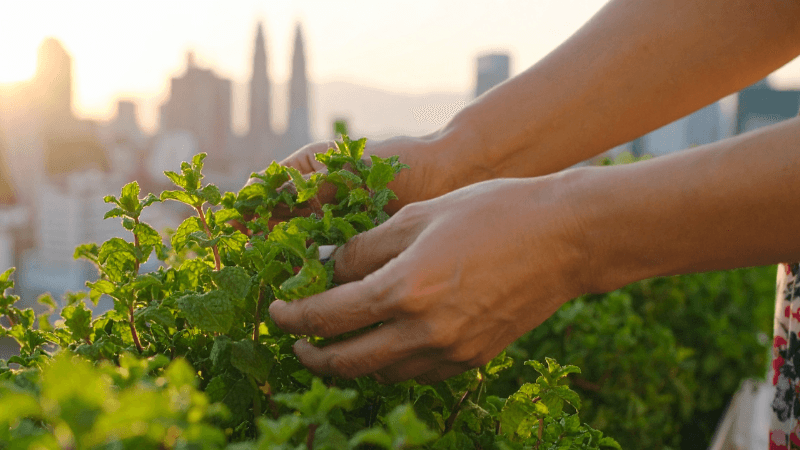
- Pinch early and often for basil, mint and oregano to force branching.
- Harvest outer leaves first on parsley, leaving the core crown.
- Shear chives in bands and let regrow for two weeks.
- For woody herbs, clip soft tips regularly and avoid hard cutting into old wood on rosemary, sage and thyme.
- Morning harvests are most aromatic; sunny weeks increase oils.
Never remove more than 30–40% of a plant at once. Frequent small harvests beat occasional large ones and keep plants compact and productive. This rhythm is perfect for herbs for beginners because it rewards little and often.
10) Pests & diseases (low-tox fixes that work)
- Aphids: blast with water first; if heavy, use insecticidal soap or horticultural oil on undersides. Encourage lady beetles with alyssum and dill.
- Whitefly and mites: improve airflow; use yellow sticky traps for monitoring; soap or oil as needed.
- Slugs and snails: hand pick at dusk; use beer traps or iron-based pellets. Mulch lightly around delicate stems.
- Powdery mildew on basil or dill: water soil, not leaves; remove worst leaves; increase sunlight and spacing.
- Root troubles: soggy mix causes yellow leaves and stunted growth; improve drainage, reduce watering, and check that pot holes are clear.
Start with prevention: sunlight, airflow, moderate watering, and clean tools. Most issues fade with stronger, happier plants.
11) Preserving: fresh storage, drying, freezing, oils, salts
Short-term fresh storage
- Wrap soft herbs such as basil, parsley and coriander in a slightly damp towel inside a container; refrigerate. Basil prefers a jar of water at room temperature.
- Woody herbs like rosemary and thyme keep well in a dry, breathable bag in the crisper.
Drying
- Best for rosemary, sage, thyme and oregano. Tie small bunches and air-dry in shade with airflow or use a dehydrator on low.
- Store in airtight jars away from light to preserve oils.
Freezing
- Chop soft herbs, pack into ice trays with water or olive oil, freeze, then pop into dishes.
- Freezing keeps color and flavor better than drying for parsley and chives.
Herb salts & butters
- Blitz herbs with coarse salt, spread thin to dry, jar and label.
- Mix chopped herbs into softened butter, roll and freeze slices.
Infused oils and vinegars (safety note)
- Vinegars are low-risk: steep thoroughly washed herbs for 2–4 weeks, strain, refrigerate.
- Oil infusions can risk botulism if mishandled: keep refrigerated, use within 7–10 days, or heat-infuse and strain promptly.
12) A 30-day launch plan
- Days 1–3: Choose location; gather 3–5 pots (20–30 cm), saucers, quality mix, and seedlings of basil, parsley, chives, mint and thyme.
- Day 4: Pot up; add slow-release fertiliser; water to settle. Mulch pots with 1–2 cm straw or fine bark.
- Days 5–7: Daily quick checks: feel the mix and water only when the top 2–3 cm is dry. Pinch basil tips once.
- Week 2: Start light harvests of chives and basil tips; note how long pots take to dry—your baseline.
- Week 3: Top-dress a handful of compost; sow a new batch of coriander or dill. Correct any pot that drains poorly by repotting with more perlite.
- Week 4: Increase harvest frequency; stake dill; tidy and prune lightly. Take a few thyme cuttings to root.
By the end of 30 days, your herbs for beginners setup is established, pruned and producing.
13) Year-round care calendar (season by season)
- Spring: pot up or refresh mix; plant basil and dill; prune woody herbs as growth starts.
- Summer: water in the morning; pinch often; provide afternoon shade during heatwaves for tender herbs; harvest heavily.
- Autumn: sow parsley and coriander for cool weather; divide chives and mint; dry woody herbs.
- Winter: protect tender herbs indoors or under cover; prune minimally; plan spring succession; clean tools and seed trays.
Adapt to your climate. In warmer zones many herbs persist year-round with light protection.
14) Troubleshooting matrix
Use this quick map to go from symptom to fix without overthinking.
- Yellow leaves with wet mix → over-watering or poor drainage → let the top dry, repot with perlite, water fewer times but more deeply.
- Leggy, pale stems → low light → move to brighter spot or add a grow light for 12–16 hours.
- Bitter basil → flowering or heat stress → pinch flowers, water evenly, give afternoon shade.
- Mint collapsing → pot bound or drought → repot into a larger container and water thoroughly.
- Powdery film on leaves → humidity and poor airflow → space plants, prune lightly, water soil only, remove worst leaves.
- Weak flavor → low sun or overfeeding nitrogen → increase sun, reduce nitrogen, harvest in the morning.
15) FAQs
Can I grow a mixed kitchen planter?
Yes. Pair herbs with similar needs: basil, parsley and chives work well together. Keep mint in a separate pot because it spreads. Give woody herbs their own containers or a raised bed.
How often should I water?
As often as it takes to keep the top 10–15 cm evenly moist in the growing season—typically every 2–4 days in warm weather for small pots. Check the top 2–3 cm with your finger and water only when dry at that depth.
Do I need fertiliser if I use compost?
Herbs are light feeders. A slow-release organic fertiliser at planting plus monthly compost top-ups is usually enough. If growth stalls or older leaves pale, add a diluted liquid feed for a few weeks.
Which herbs are best for shade?
Parsley, mint and chives tolerate partial sun at 3–5 hours per day. Woody herbs and basil prefer longer sun windows.
What are the absolute best herbs for beginners?
Basil, parsley, chives, mint in its own pot, and thyme. These herbs for beginners teach pinching, watering rhythm and succession sowing quickly without being finicky.
16) Internal links to add
- Gardening pillar: Beginner’s Gardening Blueprint
- Watering by season (pots versus beds notes)
- Compost for beginners (light feeding and top-dressing)
- Mulch types (what to use in pots versus beds)
- Drip irrigation setup (containers and raised beds)
- Planting calendar (if you grow herbs alongside vegetables)
17) Companion planting, planter recipes & lights
Think sunlight, airflow and access rather than magical pairings. Low growers such as thyme and oregano edge pathways and suppress weeds. Basil benefits from airflow under a tomato trellis but hates shade from dense foliage—prune tomatoes to one or two leaders to keep light. Marigold and alyssum draw pollinators and beneficials near herbs and vegetables, while dill left to flower feeds lacewings and parasitic wasps.
- Mediterranean box (full sun): rosemary (1), thyme (2), oregano (1). Use a 40–45 cm trough; gravelly mix; water deeply then let dry slightly.
- Soft herb bowl (partial sun): basil (2), parsley (1), chives (1). 35–40 cm bowl; steady moisture; pinch weekly.
- Tea pot (partial sun): mint (1 variety only) in a 25–30 cm pot by itself; harvest often to keep compact.
If you must grow indoors, aim for 12–16 hours per day under an LED panel set 20–30 cm above the canopy. Start higher to avoid scorch and lower gradually. Keep a fan on low to strengthen stems and prevent fungal growth. Group plants by height so they receive even light.
18) Water diagnostics & flavour pairing
Over-watering and under-watering can look similar. Compare pot weight before and after a thorough watering to learn the feel of a fully watered container. If leaves droop in midday but recover by dusk, that is normal transpiration; if droop persists at night, it is a watering or root issue. Use a moisture meter as a training aid, but calibrate it against your finger test and plant behavior. To make every harvest count, pair flavours intentionally and pick in the morning after a sunny day.
- Basil → tomatoes, mozzarella, pesto, strawberries with balsamic.
- Parsley → tabbouleh, chimichurri, fish and lemon, grain salads.
- Chives → eggs, potatoes, sour cream, soft cheeses.
- Mint → Vietnamese rolls, mojitos, peas, yoghurt dressings.
- Thyme → roast vegetables, chicken, mushrooms, lemon.
- Oregano → pizzas, roasted peppers, Greek salads, beans.
- Rosemary → roast potatoes, lamb, focaccia, citrus.
- Sage → brown butter pasta, pumpkin, pork, gnocchi.
- Dill → salmon, potatoes, yoghurt dips, pickles.
- Coriander → tacos, curries, rice bowls, salsas.
Seasonal replanting and succession for herbs
Annual herbs exhaust themselves when they bloom and set seed, so plan gentle replacements rather than fighting the plant’s biology. Sow or buy a small backup basil every four to six weeks in warm weather, and start a fresh pot of coriander every two to three weeks in milder seasons. Rotate containers so a new plant is always coming up as the oldest begins to tire. For perennials, renewal is slower but just as simple: divide chives and mint roughly once a year, trim oregano after flowering to spark dense regrowth, and take cuttings of thyme and rosemary in late spring and late summer so you always have a young plant ready to swap in if an older shrub becomes woody or storm-damaged. This rhythm of quiet replacements keeps your kitchen supplied without gaps, and it turns herbs for beginners from a one‑off project into a steady, low‑effort habit.