
The psychology behind gambling understanding its effects on the mind
Understanding the Thrill of Gambling
The allure of gambling is deeply rooted in the thrill it offers. The excitement of placing a bet and the anticipation of winning can trigger a rush of adrenaline. This emotional response is often linked to the brain’s reward system, where neurotransmitters like dopamine are released. This chemical reaction creates a sense of euphoria, making the experience addictive for some individuals. For those looking to enhance this experience, finding a payid casino australia real money can provide easier access to these thrilling games.
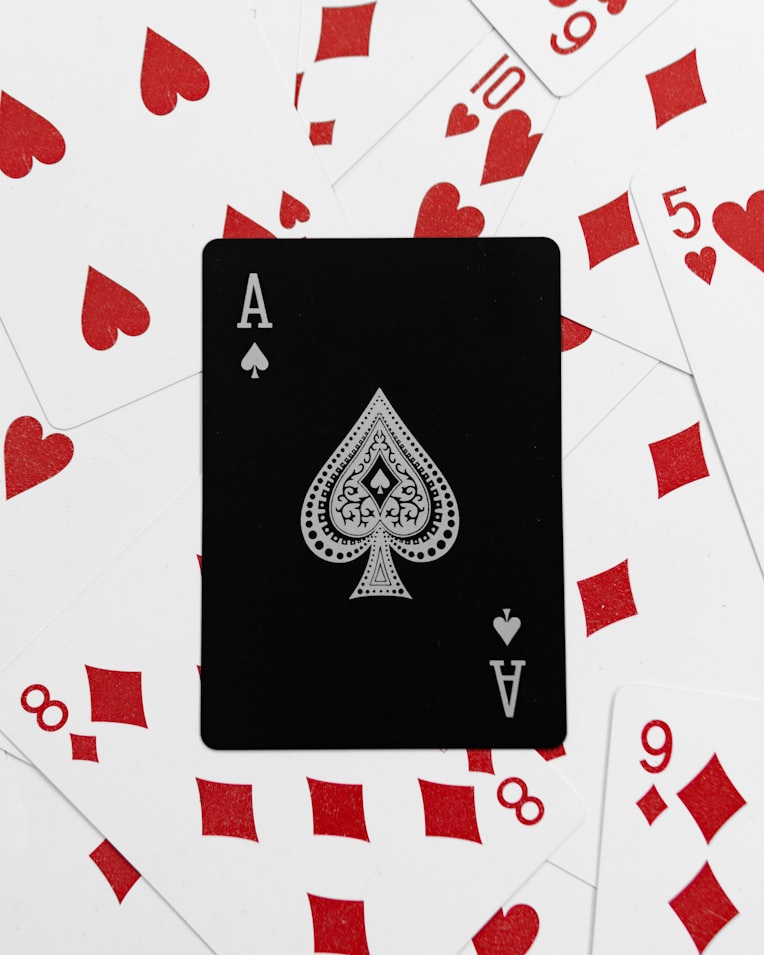
Moreover, the environment in which gambling occurs often amplifies this thrill. Bright lights, engaging sounds, and the social atmosphere of casinos can heighten excitement levels. This sensory overload can lead to a disconnect from reality, where the prospect of winning overshadows the potential risks involved. Understanding this psychological aspect is crucial in comprehending why many people are drawn to gambling despite the possible negative consequences.
The Role of Cognitive Biases
Cognitive biases significantly influence the decisions made by gamblers. One common bias is the illusion of control, where individuals believe they can influence the outcome of games of chance through skill or strategy. This belief can lead to overconfidence and increased gambling behavior, as players persist in their endeavors despite statistical realities.
Additionally, gamblers often fall prey to the gambler’s fallacy, the mistaken belief that past events affect future outcomes. For example, after a series of losses, a player might assume that a win is “due,” leading them to gamble even more. Recognizing these cognitive biases helps in understanding the mental traps that can lead to problematic gambling habits.
The Impact of Emotions on Gambling Behavior
Emotions play a critical role in gambling behavior. Many individuals gamble to escape negative feelings, such as stress, anxiety, or depression. The temporary thrill of winning can provide a momentary respite from these emotions, creating a cycle where gambling becomes a coping mechanism. However, this can lead to a dangerous reliance on gambling for emotional relief.
Conversely, positive emotions, like excitement or celebration, can also trigger increased gambling activity. When individuals are feeling good, they might be more inclined to take risks, resulting in impulsive decisions. The interplay between emotions and gambling emphasizes the need for self-awareness and emotional regulation for those who engage in this activity.
Social Factors and Gambling Psychology
Social influences significantly impact gambling behavior. Peer pressure and the normalization of gambling within certain social circles can encourage individuals to participate. In many cultures, gambling is often associated with celebrations and social interactions, reinforcing its appeal.
Moreover, the advent of online gambling has transformed the social aspect, allowing individuals to gamble from the comfort of their homes while still engaging with a community. This accessibility can exacerbate gambling issues, as individuals may feel less accountable and more prone to impulsive betting. Understanding these social dynamics is essential for recognizing the broader context of gambling psychology.

Exploring Responsible Gambling with PayID Pokies Australia
PayID Pokies Australia is committed to promoting responsible gambling. By offering a secure platform for players to enjoy real-money online pokies, the site also emphasizes the importance of understanding the psychological aspects of gambling. Players can access a variety of games while being educated on responsible gambling practices.
The emphasis on security and quick transactions makes it easier for players to manage their funds, fostering a healthier approach to gambling. With dedicated customer support and comprehensive information on game features, PayID Pokies Australia aims to create a safe and enjoyable gaming environment, promoting awareness of the psychological effects of gambling while encouraging responsible play.